
Sustainable coffee products made from coffee waste turn the leftovers of the coffee chain (used grounds, husks from milling, dried cherry skins and old jute sacks) into things you can use every day. The most practical ones to buy today are reusable cups made with coffee husk or grounds, coffee-ground scrubs, and cascara, a tea brewed from dried coffee cherries. Below are six upcycled coffee products worth knowing, what each is really made of, and which ones a home buyer can actually get.
Table Of Contents
−- Upcycled coffee products at a glance
- How we chose these sustainable coffee products
- 1. HuskeeCup: best everyday cup made with coffee husk
- 2. Kaffeeform Weducer Cup: best cup made from used coffee grounds
- 3. UpCircle coffee scrubs: best everyday product made from coffee grounds
- 4. Cascara and coffee cherry flour: best way to taste a coffee byproduct
- 5. Jute coffee sack goods: best low-tech upcycling
- 6. Design projects: Çurface furniture and Decafé lamps
- How to tell if a coffee waste product is really sustainable
- FAQ
- What products are made from used coffee grounds?
- What is the difference between coffee husk and coffee grounds?
- Are cups made from coffee husk plastic-free?
- Does cascara have caffeine?
- Can I make my own products from used coffee grounds?
- Are upcycled coffee products better than buying sustainable coffee?
- Next steps
Disclosure: Crazy Coffee Crave is reader-supported. When you buy through links on this page, we may earn an affiliate commission at no extra cost to you.

Upcycled coffee products at a glance
| Product | Coffee byproduct used | What else is in it | Can a home buyer get it? | Best for |
|---|---|---|---|---|
| HuskeeCup | Coffee husk (milling waste) | Polypropylene; up to 50% husk | Yes, widely sold | An everyday cup that uses a coffee byproduct |
| Kaffeeform Weducer Cup | Used coffee grounds from Berlin cafés | Biopolymers; recycled beechwood blend inside | Yes, mainly from Kaffeeform and European retailers | A take-away cup made from actual spent grounds |
| UpCircle coffee scrubs | Used coffee grounds from coffee shops | Sea salt, shea butter, coconut oil (body scrub) | Yes | Trying a coffee-waste product in your daily routine |
| Cascara and coffee cherry flour | Dried coffee cherry skin and pulp | Nothing (cascara); used as a baking ingredient (flour) | Cascara yes; flour mostly sold to food makers | Tasting a coffee byproduct |
| Jute coffee sack goods | Green coffee shipping sacks | Sewn into bags, mats and covers | Yes, from many small makers and roasters | Low-tech upcycling, or DIY |
| Çurface furniture and Decafé lamps | Used coffee grounds | Binders; Çurface up to 60% grounds | Rarely; design projects more than retail goods | Seeing what coffee waste can become |
How we chose these sustainable coffee products
We looked at more than a dozen upcycled coffee products covered in design press, coffee trade media and sustainability coverage, then kept the ones that pass three checks. First, a real coffee byproduct has to be a named part of the product, not just a coffee theme. Second, the maker has to say what the coffee waste is mixed with, or how it is processed. Third, for anything we suggest buying, it has to be on sale now through the maker or a major retailer.
We weighted honesty about materials most heavily. A cup that is half coffee husk and half plastic can still be a good buy, but you should know that before you pay a premium for it. Projects that are better known as design ideas than as products you can order are included at the end, labeled that way.
1. HuskeeCup: best everyday cup made with coffee husk
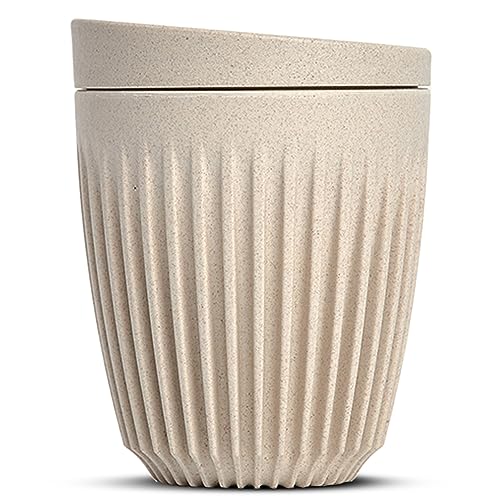
Huskee is on this list because it uses a coffee byproduct most people never see: the husk that comes off green coffee during milling, before the beans are shipped. Retailer Eight Ounce Coffee lists the cup material as an “eco-composite polymer” of up to 50% coffee husk and polypropylene, and describes the cup as dishwasher safe and stackable.
The ribbed outer fins are the design hook. The retailer says the design keeps coffee hotter for longer, though it gives no test figures for that claim. The cup comes in espresso, 6 oz, 8 oz, 12 oz and 16 oz sizes, with an optional lid, so it works as a home mug or a take-away cup.
- Made with: up to 50% coffee husk, plus polypropylene
- Care: dishwasher safe, per the retailer listing
- Designed in: Australia
Pros: uses a real milling byproduct; easy to clean; sold in several sizes with matching lids. Downside: it is still about half plastic, so it is a reusable cup with some husk in it, not a plastic-free one. Skip it if you want a cup with no plastic at all; a ceramic or stainless cup from our guide to the best reusable coffee cups may suit you better.
2. Kaffeeform Weducer Cup: best cup made from used coffee grounds

Kaffeeform makes coffee cups out of coffee. Berlin product designer Julian Lechner developed the material from spent grounds, and Kaffeeform says a bicycle collective picks up used grounds from Berlin cafés. The grounds are dried in a social workshop in Berlin and combined with biopolymers, and the cups are made in Germany.
The Weducer Cup comes in 250 ml and 350 ml sizes. Kaffeeform says the dark outer shell is its recycled coffee material, while the colored inner layer and lid use a blend based on recycled beechwood, and that the cups can go in the dishwasher. The Weducer Cup Refined won in the Coffee Accessories category of the Specialty Coffee Association’s Best New Product Awards in Milan in 2022.
Pros: made from spent grounds, the most familiar coffee waste; recognized by the SCA; dishwasher safe per the maker. Downside: Kaffeeform does not publish the exact share of coffee in the material, and it sells mainly through its own shop and European retailers, so shipping costs can add up outside Europe. Skip it if you want something you can pick up in a U.S. store; Huskee is easier to find.
3. UpCircle coffee scrubs: best everyday product made from coffee grounds
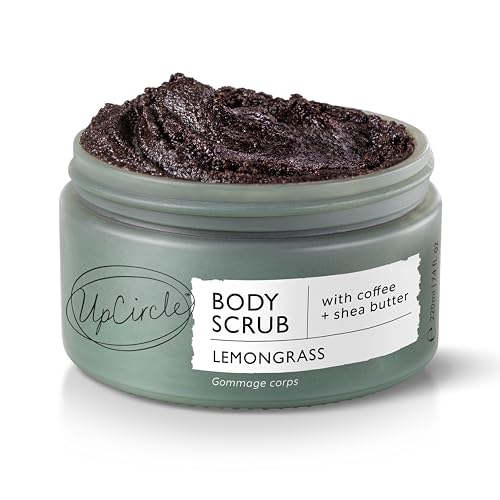
UpCircle earns a spot because it turns café waste into something you use up and rebuy, which keeps the grounds collection going. Siblings William and Anna Brightman started the London company in 2015 after learning that a coffee shop paid to have its grounds taken away, according to Waste360. The company collects grounds from more than 100 independent coffee shops at no cost to them, and it had collected about 350 tons at the time of that report.
The Exfoliating Coffee Body Scrub with Lemongrass (7.4 oz) is listed on Amazon with sea salt, shea butter and coconut oil alongside the coffee. UpCircle also sells coffee face scrubs, and Waste360 reports that the brand extracts oil from grounds for an eye cream and serum. For a sense of scale, Waste360 says each scrub contains the equivalent of four espresso shots of grounds.
Pros: clear, traceable source of grounds; widely sold; a simple way to support grounds collection. Downside: the body scrub is made for the body, not the face, and coarse scrubs are not for everyone’s skin. Skip it if you already have used grounds at home and like DIY; you can make your own with our coffee body butter recipe.
4. Cascara and coffee cherry flour: best way to taste a coffee byproduct
Every coffee bean grows inside a fruit, and the skin and pulp are usually thrown away during processing. Cascara is that fruit, dried and brewed like tea. It is described as fruity and floral, and its caffeine level is similar to black tea, according to the Wikipedia entry on coffee cherry tea. In 2022 the European Food Safety Authority concluded that dried Coffea arabica husk is safe as a novel food under set conditions of use.
NPR reported that Salvadoran grower Aida Batlle helped popularize cascara, and roasters and cafés now sell it as loose tea or serve it as a soda or iced drink. If you want to know more about it, read our full guide to what cascara is and how to brew it.
Coffee cherry flour takes the same fruit a step further. The Coffee Cherry Co. (formerly CoffeeFlour), headquartered in Seattle and founded by former Starbucks engineer Dan Belliveau, buys discarded cherry pulp from farmers, then dries and mills it into a gluten-free flour, according to BeverageDaily. It is sold mainly as an ingredient to food and chocolate makers, so you are more likely to find it inside a product than as a bag on a store shelf.
Pros: uses a byproduct that is often left to rot; cascara is easy to brew at home. Downside: cascara contains caffeine, and quality varies by roaster and how the fruit was dried. Skip it if you are avoiding caffeine in the evening.
5. Jute coffee sack goods: best low-tech upcycling

Green coffee travels from farms to roasters in hessian (burlap) sacks, usually woven from jute. UK roaster Two Chimps Coffee says each sack holds 60 to 70 kg of green coffee, with the exact size set by the origin country, and that every lot arrives in its own printed sack, so roasters build up piles of them quickly.
Those sacks are tough, natural and biodegradable, which makes them good material for tote bags, yoga mat bags, placemats, cushions and furniture covers. Many small makers sell goods sewn from them, and local roasters will often give or sell spare sacks to anyone who wants to make their own.
Pros: almost no processing, so little extra energy goes in; each piece carries a unique print. Downside: burlap sheds fibers and can feel scratchy. Skip it if you need something washable and soft; burlap is better for bags and covers than for anything worn against the skin.
6. Design projects: Çurface furniture and Decafé lamps
These two show how far coffee grounds can go as a material. They are better known as design projects than as products most home buyers can order, so treat them as inspiration rather than picks.

Çurface: furniture from office coffee grounds
UK designer Adam Fairweather helped develop GreenCup, which supplied Fairtrade coffee to UK offices and collected the used grounds to turn into fertiliser. He then founded Re-worked, which made designer furniture with up to 60% used coffee grounds and sold it back to the same kind of offices, according to Foodservice Footprint. The material’s name, Çurface, blends “coffee” and “surface.”

Decafé: lamps made from coffee grounds
Spanish designer Raúl Laurí created Decafé, a material made from used coffee grounds treated with heat and pressure, and shaped it into lamps. The collection won the 15th SaloneSatellite award at the Milan furniture fair in 2012, Core77 reported.
How to tell if a coffee waste product is really sustainable
A product made “from coffee” can mean a lot or very little. These four questions sort the real thing from marketing, and they work for any upcycled product you come across.
| Question to ask | Good answer | Warning sign |
|---|---|---|
| How much of it is coffee waste? | A stated share, like Huskee’s “up to 50%” or Çurface’s “up to 60%” | “Made with coffee” and no number |
| What holds it together? | The binder is named (polypropylene, biopolymer) | No mention of what else is in it |
| Where does the waste come from? | A named source, like Berlin cafés or partner coffee shops | No source at all |
| Will you use it for years? | Durable, dishwasher-safe, replaces something you would buy anyway | A novelty you will throw away soon |
The last question matters most. A reusable cup only pays off if it replaces disposable cups for a long time, so buy the one you will actually carry. For the bigger picture on where coffee waste comes from, see our explainer on coffee waste and how to reduce it.
FAQ
What products are made from used coffee grounds?
Used coffee grounds go into reusable cups (Kaffeeform), body and face scrubs (UpCircle), furniture (Re-worked’s Çurface) and lamps (Decafé). Spent grounds also hold oil, about 18% by weight according to a 2019 roundup on Renewable Carbon News, which some companies extract for cosmetics.
What is the difference between coffee husk and coffee grounds?
Coffee husk is the dry outer layer removed from green coffee at the mill, before roasting. Coffee grounds are what is left after you brew roasted, ground coffee. Huskee cups use husk; Kaffeeform cups and UpCircle scrubs use grounds.
Are cups made from coffee husk plastic-free?
No, not the HuskeeCup. Its material is listed as up to 50% coffee husk combined with polypropylene. It is still a durable, reusable cup, but it is not plastic-free.
Does cascara have caffeine?
Yes. Cascara is made from the dried coffee fruit, which contains caffeine, and its caffeine level is roughly similar to black tea. Amounts vary with how much you use and how long you steep it.
Can I make my own products from used coffee grounds?
Yes. Simple home projects include scrubs, body butter and baking. Try our recipes with coffee grounds or the body butter recipe linked above.
Are upcycled coffee products better than buying sustainable coffee?
They solve different problems. Upcycled products reuse waste after the coffee is grown and brewed, while sustainably grown coffee changes how the beans are farmed. If you want to start with your daily bag, see our picks for the best sustainable coffee.
Next steps
- Curious about the papery skin that comes off beans in the roaster? Read about coffee chaff and its uses.
- Use a pod machine? See the best sustainable coffee capsules.
- See how growers and roasters are cutting emissions in how the coffee industry is fighting climate change.
Disclaimer: This post contains affiliate links, which means I may receive a small commission, at no extra cost to you, if you make a purchase using these links. Remember to support us by purchasing through the Amazon/Walmart/Impact Radius links provided. Last update on 2026-11-10 / Affiliate links / Images from Amazon Product Advertising API
Disclosure: No compensation or free products were received in exchange for writing this review.

Vasileia Fanarioti
My name is Vasileia and I’m here because i decided to combine my two favourite things: writing and coffee. Don’t ever make me choose between filter and espresso, although I do have a soft spot for flat whites. I love travelling around the world and visiting coffee shops but my biggest goal is to visit a few coffee farms, to see where it all starts. Hopefully soon I’ll take you there through my articles.


