
Root canal treatments are a common occurrence in dentistry, aimed at preserving teeth that have been subject to decay or infection. This procedure might leave you with a few questions – mainly, when can you go back to your routine habits, like enjoying a good cup of joe? Let’s dive into understanding how long after a root canal you can relish your coffee without complications.
Table Of Contents
−- Unpacking Root Canal Procedures
- Caring for Your Teeth Post-Treatment
- The Road to Recovery: What to Expect
- Why the Recovery Period Matters
- What Influences Your Recovery Time?
- Managing Pain and Discomfort During Recovery
- Hot Drinks Post Procedure: What You Should Know
- The Coffee Factor in Root Canal Recovery
- When Can You Sip Coffee Post-Procedure?
- Alternative Beverages During the Healing Process
- Managing Caffeine Withdrawal
- Oral Health Post Root Canal
- Wrapping Up
Unpacking Root Canal Procedures
A root canal is essentially a dental rescue mission for your decayed or infected tooth. The dentist will get rid of the damaged tissue inside, clean, disinfect the root canals, and fill them with gutta-percha. Once this is done, the tooth is sealed and typically capped with a crown or filling for protection.
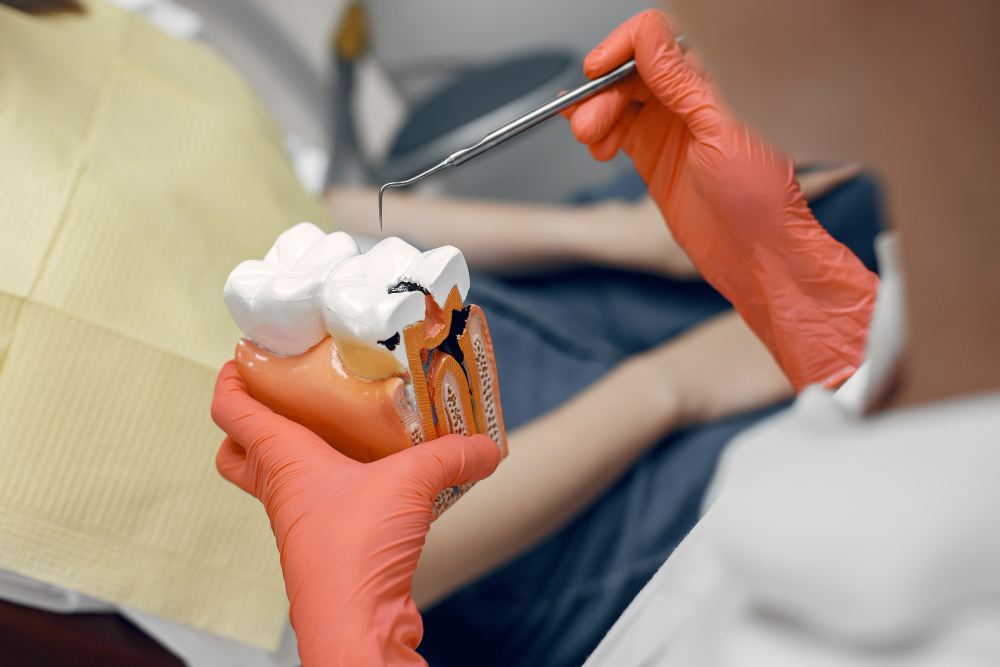
The primary aim of a root canal is to prevent the need for extraction, alleviate pain, and restore the tooth’s functionality. Sure, the procedure might be a bit uncomfortable, but following your dentist’s aftercare instructions is a surefire way to speedy healing.
Caring for Your Teeth Post-Treatment
After you’ve gone through a root canal procedure, it’s important to follow the aftercare regime suggested by your dentist. Staying away from hot, spicy foods and drinks for a bit can prevent discomfort and aid healing. Likewise, smoking and alcohol should be avoided for at least 48 hours post-procedure.
These measures can mitigate swelling and pain, helping you recover quicker. Remember, rest and hydration are your best friends during this time, and it’s crucial to follow your healthcare provider’s advice for returning to normal activities.
The Road to Recovery: What to Expect
Recovery time after a root canal can vary, typically ranging from a few days to a week. You might feel a bit of discomfort or sensitivity in the initial days, but this can be managed easily with over-the-counter pain relievers. It’s also a good idea to stay clear of hot beverages and hard foods that could irritate the treated area.
As the days pass, your discomfort will lessen, and you’ll find yourself getting back to your daily activities. Don’t forget, maintaining a routine of brushing and flossing is super important during recovery.
Why the Recovery Period Matters
Healing after a root canal procedure is a critical phase, helping to avoid potential complications. Listening to your dentist’s instructions and nurturing the treated tooth as it heals is non-negotiable. It’s a good idea to avoid eating or drinking until the numbness wears off, preventing any accidental damage.
Also, it’s recommended to take at least two days off from exercising, giving your body the rest it needs to recuperate.
What Influences Your Recovery Time?
Recovery time post a root canal can differ from person to person. If you have a compromised immune system or any pre-existing health conditions, your recovery might take a bit longer. On the flip side, healthy individuals might recover faster.
There are a few factors that can extend recovery time, including smoking, age, poor oral hygiene, the procedure’s extent, or the severity of infection pre-procedure. Remember, following your dentist’s aftercare advice, maintaining good oral hygiene, and being patient during recovery is key.
Managing Pain and Discomfort During Recovery
It’s normal to feel some pain and discomfort after a root canal. Thankfully, there are ways to manage this during your recovery period:
- Over-the-counter pain relievers can be effective, but ensure you follow your dentist’s dosage instructions.
- Applying ice packs to the affected area for 10-20 minutes can help reduce swelling.
- Eating soft foods and avoiding chewing on the side of the treatment can also help reduce pain.
If the pain or swelling gets too intense, contact your dentist right away.
Hot Drinks Post Procedure: What You Should Know
Hot drinks, like your beloved coffee, could potentially hamper the healing process after a root canal. After the tooth’s pulp has been removed, it becomes more susceptible to external factors like heat. Consuming hot drinks too soon might lead to burns on your gums and surrounding tissues, extending your healing time.
It’s best to wait for at least 24 hours before you indulge in hot drinks or foods. Even then, make sure you’re cautious and avoid anything too hot.
The Coffee Factor in Root Canal Recovery
While you’re recovering from a root canal, it’s important to consider how your coffee consumption might impact your healing process. Drinking hot coffee can hinder healing and possibly even lead to burns if your mouth is still numb from anesthesia.
Your focus during this period should be on eating soft foods that require minimal chewing. This prevents putting additional stress on the treated area.
As for caffeine withdrawal, handling it carefully is crucial, as is maintaining your oral health during this time. If you adhere to these guidelines, you should be able to return to your daily coffee routine safely after a root canal.
When Can You Sip Coffee Post-Procedure?
Once your root canal is done, it’s only natural to crave a cup of coffee. However, it’s essential to wait until the healing process is well underway before you give in to this craving.
Assuming your recovery is going well, it’s wise to wait at least five to ten days before you reintroduce coffee to your diet. Also, remember to drink plenty of water to stay hydrated, as caffeine can dehydrate you, which isn’t the best for your healing process.
Alternative Beverages During the Healing Process
While you’re healing from your root canal procedure, there are plenty of other beverages you can enjoy. Ice-cold water, herbal tea, or fruit juice are all excellent alternatives that can satisfy your cravings without disrupting your healing tooth.
Just keep in mind to monitor the temperature and sugar content of your drinks, as these can affect your healing process.
Managing Caffeine Withdrawal
Going cold turkey on caffeine after your root canal procedure can lead to withdrawal symptoms. To handle these, experts suggest gradually reducing your caffeine intake and increasing your hydration. Switching to caffeine-free options can also help you manage these symptoms during your recovery.
Oral Health Post Root Canal
After your root canal procedure, maintaining good oral health is key to ensuring that your tooth heals properly. Some tips include avoiding hard and sticky foods, regular brushing and flossing, and attending follow-up appointments with your dentist. Also, keep an eye out for any lingering pain or discomfort.
Wrapping Up
Taking care of your oral health after a root canal procedure is fundamental for a smooth recovery. Staying away from hot drinks and foods that can disrupt healing is a good start. Stick to soft foods and make sure you keep up with good oral hygiene practices.
When it comes to coffee, it’s best to wait at least 24-48 hours before you start drinking it again. Lastly, if you’re feeling any pain or discomfort during your recovery, be sure to discuss it with your dentist. By following these tips and caring for your oral health, you can ensure a successful and speedy recovery after a root canal.
Disclaimer: This post contains affiliate links, which means I may receive a small commission, at no extra cost to you, if you make a purchase using these links. Remember to support us by purchasing through the Amazon/Walmart/Impact Radius links provided. Last update on 2024-04-27 / Affiliate links / Images from Amazon Product Advertising API
Disclosure: No compensation or free products were received in exchange for writing this review.

Editorial Staff
The editorial staff at Crazy Coffee Crave is a team of coffee enthusiasts & Baristas who enjoy the one thing we all think about as soon as we get up in the morning. Trusted by thousands of readers worldwide.