Integrating natural and synthetic chemicals has enabled experts to create any flavor. That’s why hundreds of flavored coffees are available on the market: banana-flavored coffee, raspberry-flavored coffee, cinnamon-flavored coffee, French Toast-flavored coffee, and a lot more.
Table Of Contents
−- 1. Lifeboost Hazelnut Medium Roast
- 2. AmazonFresh Medium Roast Hazelnut Coffee Beans
- 3. Volcanica Hazelnut Flavored Coffee beans
- 4. Seattle’s Best Coffee Toasted Hazelnut Flavored Medium Roast Ground Coffee
- 5. New England Coffee Hazelnut Creme, Medium Roast Ground Coffee
- 6. Don Francisco’s Ground Hawaiian hazelnut coffee beans
- 7. Stone Street Hazelnut Supreme Flavored Ground Coffee
- 8. Jose’s Hazelnut cream Arabic coffee
- 9. Eight O’clock Whole Bean hazelnut coffee
- 10. Hawaiian Isles Kona Coffee Co. Kona Hazelnut Ground Coffee
- 11. Lovesome Ground Coffee Hazelnut
- 12. Coffee Bean Direct Hazelnut Flavored, Ground Coffee
- 13. San Francisco Bay Coffee, Hazelnut Crème
- 14. Kahlua Gourmet Ground Coffee, Hazelnut
- 15. Melitta Hazelnut Crème Flavored Medium Roast Ground Coffee
- 16. Dean’s Beans Organic Coffee Company, Hazelnut Dream Natural Water Process Decaf
- 17. Door County Coffee, Cinnamon Hazelnut
- 18. Zavida Hazelnut Vanilla Whole Bean
- 19. Cameron’s Ground Coffee Bag, Vanilla Hazelnut
- 20. Rapid Fire Ketogenic Hazelnut Coffee
- 21. Folgers Ground Hazelnut Coffee
Among the flavored coffees, hazelnut flavored coffee, hazelnut coffee beans are one of the world’s favorites, which is prepared by infusing the hazelnut flavoring into the coffee beans.

Hazelnut coffee has been my favorite for a long time, so I’ve spent a lot of time trying out different hazelnut coffee bean brands. I’ve found that some brands of hazelnut coffee are better than others.
The best hazelnut coffee beans offer a balanced flavor and aroma—a good cup of coffee results from high-quality beans, fresh water, and proper roasting. If you’re looking for the best hazelnut coffee beans on the market, check out these top options reviewed by experts!
Which are the best hazelnut coffee beans?
I considered reviewing the ones worth noting, whether for their price, quality, or, most importantly, taste.
If you don’t want to read the whole article, here are our top hazelnut coffee beans.
| EDITOR’S CHOICE | 2ND PICK | 3RD PICK | |
|---|---|---|---|
 |  |  | |
| Lifeboost | AmazonFresh | Volcanica | |
| Ratings | 4.3 | ||
| Whole Beans? | No | No | Yes |
| Size | 12oz | 12oz | 16oz |
| CHECK PRICE | CHECK PRICE | CHECK PRICE |
Are you looking for the best K Cup Hazelnut coffee instead?
The following are the greatest hazelnut coffee options:
Best hazelnut coffee brands:
We have listed the Best hazelnut coffee brands below; just in case you don’t want to make hazelnut coffee from scratch. Note that these brands are not arranged in any specific order. You can choose one that best suits your taste.
1. Lifeboost Hazelnut Medium Roast

We begin with a coffee that does an excellent job of balancing flavor and value. Lifeboost’s Hazelnut Medium Roast has a robust flavor profile with mild hazelnut undertones that will tempt users without overpowering the flavor of the coffee itself.
This is an excellent example of a firm that cares. They not only use good organic beans but also flavor them with natural oil. These are, without a doubt, the best hazelnut coffee beans. Although it is costly, it is well worth the cost. Furthermore, it is fair-trade coffee, assuring that Nicaraguan growers prosper. There’s nothing wrong with that. There are numerous testimonials from satisfied consumers.
This delicious medium-roast coffee is Fair Trade, Organic, shade-grown, and single-origin certified, as well as pesticide and mycotoxin-free. Even more important: is the delectable flavor. This coffee is fragrant, fresh, and ideal for relaxing when you get up in the morning.
Because this coffee is sold in the whole bean, it will keep for a more extended period. However, it’s practically useless if you don’t have a grinder. This coffee is likewise not cheap, but if you enjoy it, you may save a lot of money by purchasing in quantity.
2. AmazonFresh Medium Roast Hazelnut Coffee Beans
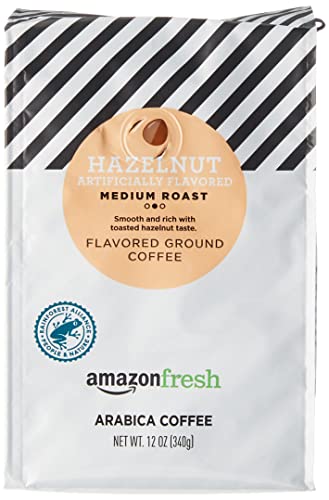
With just a few spoonfuls in your coffee maker, you can brew a cup of coffee that has a superb overall flavor and traditional smoothness. This AmazonFresh coffee is the freshest roasted option, giving it a higher quality flavor.
When preparing a cup, the smell is so strong that it can wake up the entire body, preparing it for a new day. The coffee itself isn’t robust. However, it also has an excellent robust flavor and a long aftertaste.
It’s got just the proper amount of hazelnut flavor to it. The hazelnut flavor is authentic and nutty. If you like sweet drinks, you can add some pasteurized or condensed milk. As a result, it is an ideal blend of the sweetness of milk, the subtle bitterness of coffee, and the nutty flavor of hazelnut.
3. Volcanica Hazelnut Flavored Coffee beans
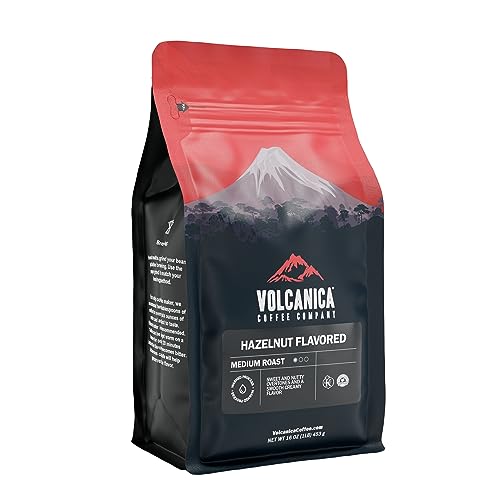
Are you looking for something a little less expensive? Volcanica’s Hazelnut Flavored Coffee is a buttery, nutty coffee with a kick.
Volcanica has established a solid reputation. This coffee is flavored as well. Although their advertisement depicts a swarm of delectable hazelnuts, none are within. A mild blend that comes with Volcanica’s freshness guarantee of 100 percent. For their products, they use beans from vibrant soils.
This coffee has a creamy, slightly sweet flavor. It’s a medium roast so that the genuine coffee notes won’t overpower the drinker. Everything about the mix is delicate and aromatic – a terrific way to start your day with an unusually gentle coffee yet tasty.
Volcanica does not have all of the sustainability certifications that Lifeboost, our best hazelnut coffee beans, possesses. Nonetheless, it’s a tasty option at an affordable price.
4. Seattle’s Best Coffee Toasted Hazelnut Flavored Medium Roast Ground Coffee
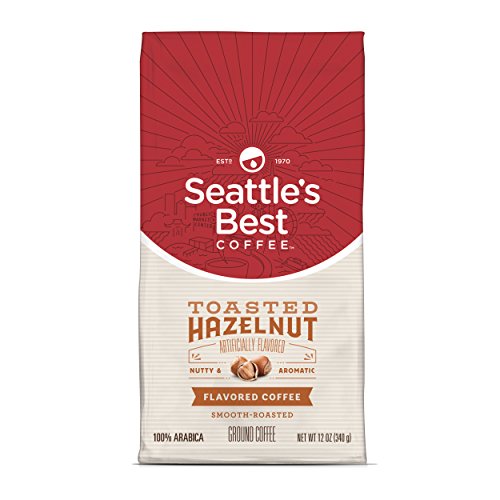
Made from premium beans, Seattle’s Best Coffee Toasted Hazelnut Flavored Medium Roast has a smooth taste and sweet aroma combined with the overtones of the hazelnut.
The exotic flavors make it scrumptious and an unforgettable experience. To savor the finest taste, use cold filtered water, and add 1 tbsp (5 g) of ground coffee to every 6 fl. oz. (180 mL) of water. Store the ground coffee in a cool, dark place to preserve its flavors.
This is a popular option for many individuals looking for low-cost ground coffee with a hazelnut taste. According to my experience, it does not taste as artificial as other brands on the market.
5. New England Coffee Hazelnut Creme, Medium Roast Ground Coffee

Made from 100% Arabica beans, this coffee has infused chocolate and creamy cappuccino flavors combined with the pronounced flavors of hazelnut and hints of sweetness. This is a perfect blend for the people who want a sweet flavor in the coffee.
6. Don Francisco’s Ground Hawaiian hazelnut coffee beans

Here is another option for anyone who prefers the nutty flavor of the coffee. San Francisco’s hazelnut coffee blend is Hawaiian because it has a faint coconut taste. Do not be tricked into thinking that the beans are cultivated there.
Made from the 100 % finest quality Arabica coffee, Hawaiian hazelnut coffee is a perfect blend of hazelnut, coconut, and French vanilla flavors. These exotic flavors impart a creamy and nutty taste to the coffee, which is hard to resist.
The coffee is named Hawaiian hazelnut coffee not because it is produced in Hawaii. It is called Hawaiian because its flavors are exotic, like Hawaii’s exotic weather, beaches, and landscapes.
Like the preceding goods, the hazelnut taste is not overpowering, but it is exactly what you would expect. Don Francisco’s beans are medium-roasted, although I would argue they are darker.
This is the one for you if you want your coffee robust but not bitter.
7. Stone Street Hazelnut Supreme Flavored Ground Coffee

If you are searching for a motive to get out of bed in the morning, I suggest a cup of Stone Street ground coffee mix.
These hazelnut coffee beans are delicious and will provide you with the necessary jumpstart. They are constant in their quality and affordable pricing, and the coffee you obtain by buying Stone Street beans is exquisite.
This package is a little more costly than the others on the list, but I would rather spend a little more to enjoy my coffee as much as possible. It is one of the most delicate tastings, smooth, and delicious straight-up coffee, and it is even better with milk or your favorite syrup. Stone Street will become your go-to no matter how you drink your coffee.
8. Jose’s Hazelnut cream Arabic coffee
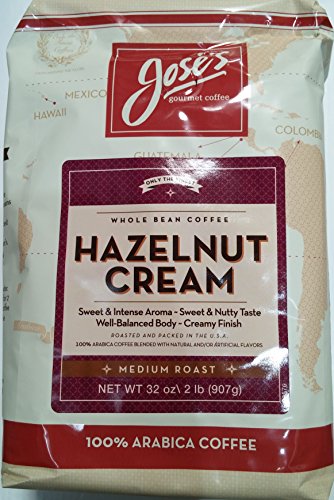
This coffee has a good quality profile. Its premium taste and sweet pronounced aroma make it a perfect beverage for any part of the day. Made with 100% Arabica beans, this is not a cheap choice. You get a few ounces for dollars. But the value is justified by its premium quality.
9. Eight O’clock Whole Bean hazelnut coffee
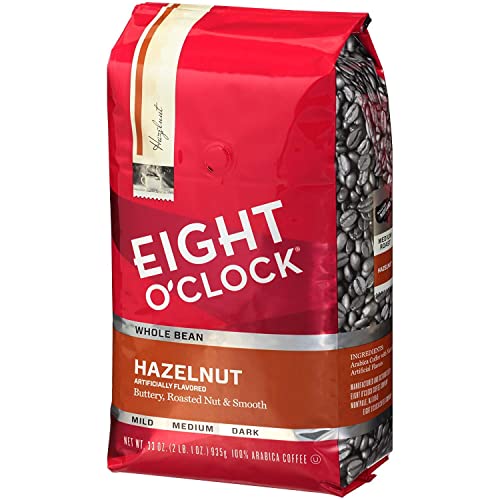
Made with 100% Arabica beans, which originated from South America, this coffee is a perfect blend of subtle hazelnut notes and a sweet buttery aroma. The beans are medium roasted, and both the taste and aroma are smooth and balanced, making this blend perfect to be enjoyed in the mornings.
This flavored ground beans package from Eight O’clock will not leave a synthetic aftertaste in your mouth after taking a drink. Instead, it allows you to have a refreshing, flavorful coffee with just the perfect hazelnut flavor.
The flavoring oils are not too sweet, which is ideal for people who find that most flavored coffee beans are too sweet for their taste.
You will discover medium roasted Arabica beans in the container, contributing to the gratifying smooth cup you will enjoy.
10. Hawaiian Isles Kona Coffee Co. Kona Hazelnut Ground Coffee

The Hawaiian blend comes in a medium roasted ground coffee packet with hazelnut flavor, allowing for a nice, smooth, and rich cup of coffee. Unfortunately, many flavored options you may come across are overpowering in terms of flavor.
With this coffee, you will receive just the appropriate amount of hazelnut flavor that will not overpower the taste profile of the beans.
One bag includes 10% Kona beans, traced back to the Kona area of Hawaii’s Big Island.
The price of this blend is a little greater than other evaluated items, but it is well worth it.
Kona refers to high-priced Hawaiian coffee beans derived from the Coffea arabica species.
11. Lovesome Ground Coffee Hazelnut

The pre-ground coffee is made from 100% lightly roasted Arabica beans. This blend has a pronounced hazelnut flavor and is the perfect choice for busy mornings or when you need a pick-me-up.
12. Coffee Bean Direct Hazelnut Flavored, Ground Coffee
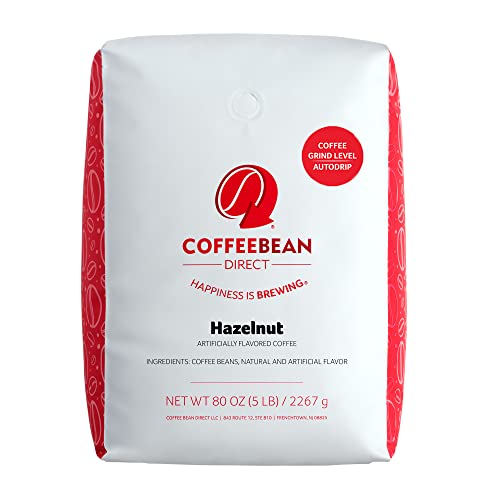
Coffee Bean Direct Hazelnut Flavored has a good quality profile. The blend is rich and nutty and is made from lightly roasted beans. The coffee is pre-ground, so you don’t need to spend your time grinding the beans.
If you buy this 5-pound bag, you don’t need to worry about your coffee supply for months. But, what about the taste and freshness of the coffee.
Will that last longer too? Don’t worry about the freshness of the product, as the beans are roasted and ground immediately before packaging to preserve the excellent taste and freshness of the coffee for an extended period.
13. San Francisco Bay Coffee, Hazelnut Crème
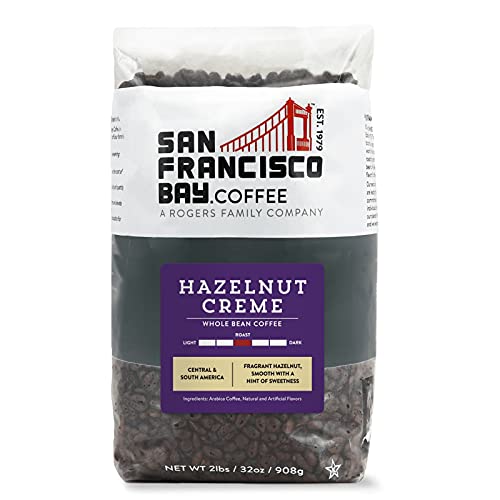
For those of you who like your coffee freshly ground and are looking for a hazelnut-flavored yet high-quality bean, San Francisco Bay has you covered.
San Francisco Bay Coffee, Hazelnut Creme is a light, creamy, and nutty blend prepared using the German hazelnuts.
This entire vacuum-sealed bean bag is very reasonably priced. In addition, the medium roast 100 percent Arabica coffee mix competes with considerably more costly rivals and outperforms them in many cases.
I must tell you that the hazelnut fragrance you detect when you open the bag is much more potent than the real flavor when you take a drink.
The flavor of the product is not too prominent. So, it might not be the best choice if you want something with more pronounced and intense flavors.
14. Kahlua Gourmet Ground Coffee, Hazelnut

Remarkably creamy and nutty, the Coffee features the delicious rum, vanilla, and caramel flavors of Kahlua Coffee Liquor. It is made from 100% Arabica beans. The packaging is airtight to trap the flavors for an extended period.
15. Melitta Hazelnut Crème Flavored Medium Roast Ground Coffee
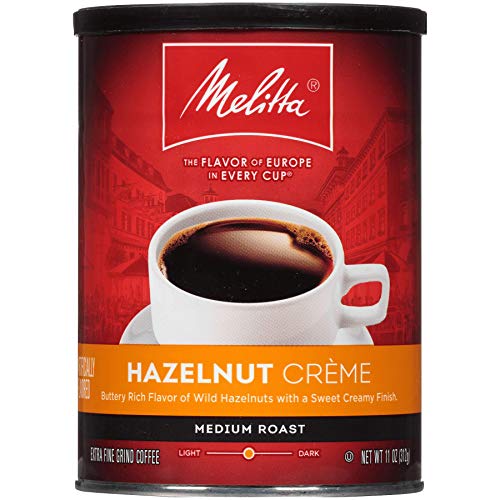
The coffee is a blend of sweet, buttery, and rich hazelnut flavors, making it perfect when you need a pick-me-up. The product is made from the finest quality coffee beans collected from the best coffee-producing regions around the globe. The beans are ground finely to ensure the maximum flavor and aroma in the final product.
16. Dean’s Beans Organic Coffee Company, Hazelnut Dream Natural Water Process Decaf
For those without caffeine decaf or chemical, all organic fans and hazelnut fans. I’ve found the best hazelnut coffee beans for you. Not only are they using excellent organic beans, but they also flavor them with natural oil.
Decaffeinated using water in a gentle eco-friendly process called the Natural Water Process. They are dedicated to responsible ecological practices, ensuring that all coffees are 100% USDA Certified Organic and shade-grown.
This supports healthy environments, protects migratory bird habitats, and respects the quality of life of our grower partners in the coffee world.
17. Door County Coffee, Cinnamon Hazelnut
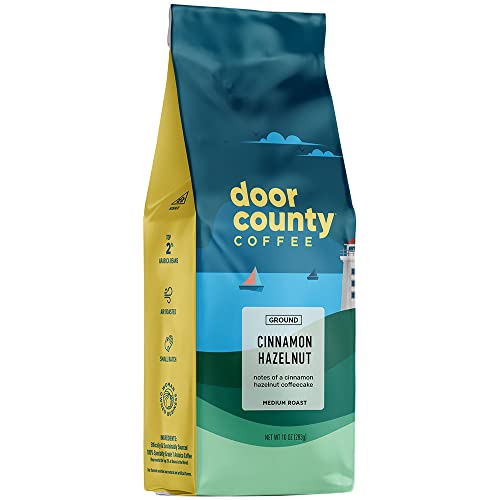
This is a high-quality coffee that is available in a whole bean bag or a pre-ground form.
You will receive a well-balanced cup with cinnamon and hazelnut flavors. Even if you are not a huge supporter of cinnamon, I believe the Door County recipe has just the perfect amount to make it taste good.
It adds to the overall flavor and enhances the hazelnut hue.
You can also get a decaf version of hazelnut coffee. This has become a favorite among those looking to reduce their caffeine intake without sacrificing flavor.
18. Zavida Hazelnut Vanilla Whole Bean
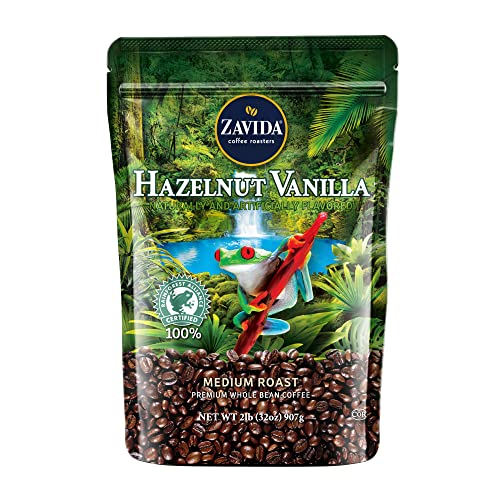
The hazelnut vanilla taste combination in a cup of coffee is delectable, mainly if the coffee beans are good. This is why I chose Zavida’s hazelnut whole bean bag.
It features a finely flavored combination of Arabica beans that will fulfill your need for a smooth and pleasant cup and get you off on the right foot. The scent that emanates from the bag as soon as you tear it open is hypnotic.
You will also like the coffee produced with those black beans — there is no need to add anything to mask the bitter flavor.
19. Cameron’s Ground Coffee Bag, Vanilla Hazelnut
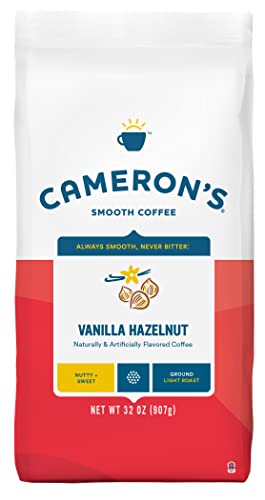
After showing you some terrific whole bean options, it is time to return to a fantastic pre-ground bundle.
It is a mild roast that allows for a nicely balanced cup. In addition, it is ready to use, and you do not need a grinder to make it yourself.
The flavor is more delicate, so if you want a strong hazelnut flavor, this coffee is not for you.
It is worth noting that it is reasonably priced.
20. Rapid Fire Ketogenic Hazelnut Coffee
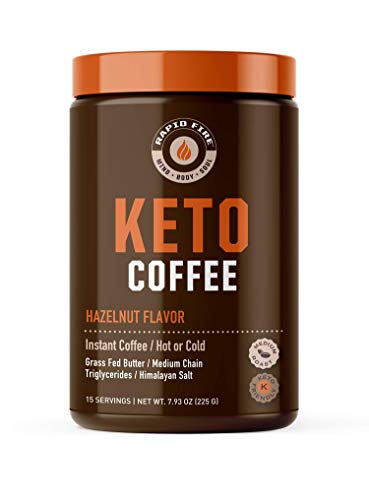
Ketogenic Coffee is a product designed specifically for those on the Keto diet. It is wrapped in butter and medium-chain triglyceride. This product’s medium-chain triglyceride makes you feel fuller for longer and reduces your appetite. This keeps you from overeating during the day.
The mix of caffeine in coffee provides ketogenic diet followers with a sound mind in a sound body. Breakfast can be replaced with a cup of Rapid Fire Hazelnut Ketogenic Coffee.
Furthermore, the butter in this coffee is grass-fed butter, which contains lactic acid, which is effective against yeast. People who dislike strong and harsh flavors will appreciate the hint of hazelnut flavor.
21. Folgers Ground Hazelnut Coffee
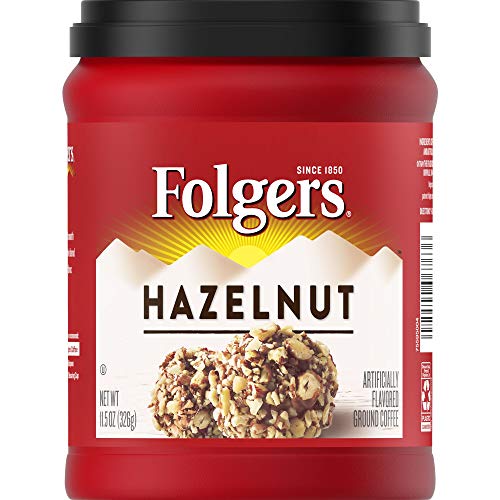
Because Folgers Hazelnut Flavored Ground Coffee is not a fine grind, it will not leave grounds in your coffee. It tastes smooth and mellow, with a pleasant aftertaste.
Its perfume is so pleasant that it improves my enjoyment of my morning coffee. The aroma spreads throughout the house as soon as the programmed coffee maker starts in the morning, and it’s a great smell to wake up to.
The flavor is unmistakable. As a result, it is ideal for combining with fat-free milk. A small amount of milk is required; no sugar or sweetener is required. You can prepare your coffee in various ways (Drip, Pour Over, and Moka Pot).
What is Hazelnut?
Hazelnut coffee wouldn’t be complete without discussing the star ingredient: the hazelnut. This flavorful nut comes from the Corylus avellana or Hazel tree, native to Europe and Western Asia. Rich in fats, proteins, and minerals, hazelnuts have been used for their nutritional value and delicious taste since ancient times. Think of Scrat, the squirrel from the Ice Age movies, who just couldn’t resist chasing that elusive hazelnut.

Quick Hazelnut coffee history
- The tradition of flavoring hazelnut coffee is that of Alpine monks who used to smash bits of nuts, abundant and economical at the time, in their coffee to make them tasteful.
- The Turks loved the hazelnut and used it for many things, both food, and medicine.
- The Europeans of the 7th century had already enjoyed coffee. But it had a bad reputation, dubbed by some the “bitter invention of Satan.” But once Pope Clement VIII tried it, he enjoyed it.
Whoever invented hazelnut coffee is still a big part of the coffee community in many countries.
Understanding Flavored Hazelnut Coffee Beans
When selecting hazelnut-flavored coffee beans, it’s essential to be aware of a few factors that can impact the quality and taste of your brew. Here’s what you need to know:
- Why do some coffee connoisseurs view flavored beans negatively? Some coffee enthusiasts believe that flavored coffee beans, like hazelnut, mask the taste of low-quality beans and are used to increase profits for companies. While this can be true in some cases, it’s important not to dismiss all flavored beans as inferior.
- Grinder concerns with flavored beans: Grinding flavored beans can leave residue in your grinder, potentially affecting the taste of future grinds. Consider using a product like Urnex Grindz to clean your grinder, or designate a separate grinder for flavored beans.
- Artificial flavors: Flavored coffee beans are often coated with oils made from artificial flavors and binders like propylene glycol. While considered safe for consumption, some people may prefer to avoid these ingredients.
Choosing the Best Hazelnut Coffee Beans
To ensure a satisfying hazelnut coffee experience, consider these factors when selecting your beans:
- Ingredient simplicity: Look for beans with a short and easy-to-read ingredient list.
- Freshness: Avoid vacuum-sealed beans, which can be older and mask the age with artificial flavoring.
- Bean quality: Opt for 100% arabica beans for a superior taste.
- Organic vs. non-organic: Organic beans may be cleaner and healthier, free of chemicals and pesticides.
- Sustainability: Choose beans from fair-trade, sustainable sources.
- Flavoring method: Seek beans flavored as naturally as possible, without a long list of chemicals.
- Nutritional value: Avoid beans with added sugar or unnecessary additives that increase calorie content.
FAQ
- Does hazelnut coffee have hazelnuts in it? No, hazelnut coffee uses hazelnut flavoring, infused with natural or artificial flavors.
- What is artificial hazelnut flavoring? Artificial hazelnut flavoring is a popular, chemically-created flavor that imitates the sweet and buttery taste of hazelnuts. It’s often used in bakeries, hard candies, smoothies, coffee, frostings, and more.
- How do you add hazelnut flavor to coffee? You can add hazelnut flavor to coffee using artificial hazelnut flavor syrups or by brewing coffee from scratch using hazelnuts.
- How does hazelnut coffee get its flavor? Natural oils derived from sources like vanilla beans, cocoa beans, nuts, and berries are used to flavor coffee. Synthetic flavoring agents are also produced commercially to imitate natural flavors.
- What goes well with hazelnut coffee? Hazelnut coffee pairs well with fruits like apples, apricots, bananas, tomatoes, cherries, oranges, figs, peaches, pears, and plums. It also complements chocolate and vanilla, making it a popular ingredient in desserts.
Is it better to buy whole bean or ground coffee?
The choice between whole bean or ground coffee depends on your preferences and priorities. Whole beans provide a fresher flavor and aroma, but require grinding before brewing. Ground coffee offers convenience but may lose some of its scent and flavors once the package is opened. Determine which option best suits your needs to make an informed decision.
Conclusion:
Hazelnut coffee is a beloved beverage with a rich history and irresistible flavor. To fully appreciate and enjoy this drink, it’s important to select high-quality beans and consider factors like freshness, sustainability, and flavoring methods. By keeping these tips in mind and exploring the world of hazelnut coffee, you’ll be well on your way to a truly satisfying and delightful experience. Cheers to your next cup of hazelnut coffee!
Disclaimer: This post contains affiliate links, which means I may receive a small commission, at no extra cost to you, if you make a purchase using these links. Remember to support us by purchasing through the Amazon/Walmart/Impact Radius links provided. Last update on 2024-04-20 / Affiliate links / Images from Amazon Product Advertising API
Disclosure: No compensation or free products were received in exchange for writing this review.

Editorial Staff
The editorial staff at Crazy Coffee Crave is a team of coffee enthusiasts & Baristas who enjoy the one thing we all think about as soon as we get up in the morning. Trusted by thousands of readers worldwide.